Electrical systems play an important role in the daily operation of commercial buildings. From lighting and power distribution to electrical equipment, businesses depend on reliable electrical systems every day.
However, electrical systems should not only be checked when something stops working. Instead, regular electrical maintenance can help identify potential issues before they become larger problems.
So, how often should commercial buildings schedule electrical maintenance in Dubai?
There is no single schedule that works for every property. Instead, the appropriate frequency depends on the building type, electrical load, operating hours, equipment, age, and condition of the installation.
Therefore, property owners and facility managers should establish a maintenance schedule based on the specific requirements of their building.
What Is Electrical Maintenance?
Electrical maintenance involves inspecting, servicing, troubleshooting, repairing, and maintaining electrical systems and components.
For commercial properties, the exact scope can vary. For example, maintenance may involve electrical fittings, fixtures, wiring, distribution equipment, lighting, and other electrical components.
Depending on the property, electrical maintenance may include:
- Electrical fittings and fixtures inspection
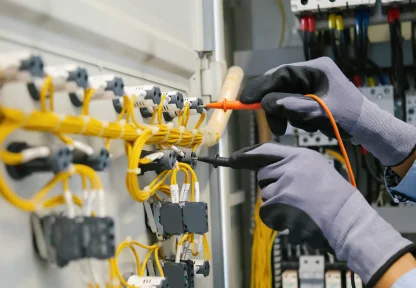
- Wiring and cable connection checks
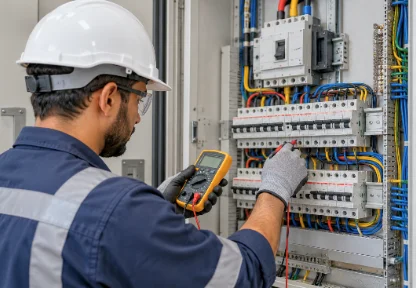
- Electrical panel and distribution equipment inspection
- Lighting system maintenance
- Electrical fault diagnosis
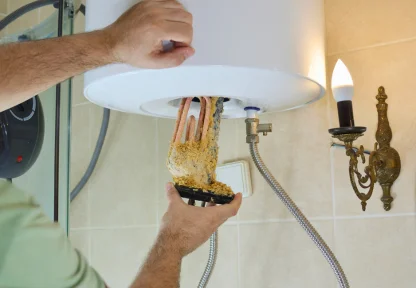
- Repair of defective components
- Preventive maintenance
- General electrical system checks
In addition, maintenance requirements may change as the building becomes older or its electrical load increases.
How Often Should Commercial Buildings Have Electrical Maintenance?
The required maintenance frequency depends on the individual property. For this reason, commercial buildings should not all follow exactly the same schedule.
Several factors should be considered when developing an electrical maintenance plan.
Building Type
First, consider the type of property.
An office, retail store, warehouse, commercial building, or industrial facility can have very different electrical requirements.
Therefore, the maintenance approach should reflect how the building is used.
Electrical Load
Next, consider the electrical load.
Buildings with extensive equipment or higher electrical demand may require closer monitoring and more regular maintenance.
Operating Hours
Operating hours also matter.
For example, a facility operating for extended hours may place greater demand on its electrical systems than a property that operates only during standard business hours.
As a result, the maintenance requirements may differ between properties.
Age and Condition
The age and condition of the electrical installation should also be considered.
Older systems may require closer attention, especially when there are recurring faults or visible signs of deterioration.
Previous Electrical Problems
Finally, review previous electrical issues.
If a building has experienced repeated breaker trips, damaged wiring, overheating, or recurring equipment problems, these issues should be considered when creating the maintenance schedule.
Signs Your Commercial Building May Need Electrical Maintenance
Electrical problems do not always appear suddenly. In many cases, there are warning signs that indicate a system or component requires attention.
1. Frequent Circuit Breaker Trips
If circuit breakers trip repeatedly, the cause should be investigated.
For example, the problem could be related to an overloaded circuit, faulty equipment, or another electrical issue.
Repeatedly resetting the breaker without identifying the cause is not a substitute for professional inspection.
2. Flickering or Unstable Lights
Flickering or dimming lights can indicate an electrical problem.
Therefore, persistent lighting issues should be checked rather than ignored.
3. Overheating Components
Unusual heat around electrical panels, connections, fixtures, or equipment can indicate a problem.
In addition, visible discoloration or damage around electrical components should be assessed by a qualified professional.
4. Burning or Electrical Smells
A persistent burning or electrical smell should not be ignored.
If this occurs, the affected area should be inspected to identify the source of the problem.
5. Damaged Wiring or Electrical Fittings
Damaged cables, loose connections, deteriorated insulation, or damaged fittings may require repair or replacement.
Similarly, visible damage should be addressed before the condition becomes worse.
6. Repeated Electrical Failures
If the same electrical system repeatedly stops working, the underlying cause should be investigated.
Instead of repeatedly fixing the same symptom, a proper assessment can help identify the source of the problem.
What Does Commercial Electrical Maintenance Include?
The exact scope of commercial electrical maintenance depends on the building and its electrical infrastructure.
Generally, maintenance may include the following areas.
Electrical Fittings and Fixtures
Electrical fittings and fixtures can be inspected for damage, deterioration, or other issues requiring attention.
Wiring and Cable Connections
Accessible wiring and connections can be checked for visible damage, loose connections, or deterioration.
As a result, potential issues can be identified before they affect other parts of the electrical system.
Electrical Panels and Distribution Equipment
Applicable electrical panels and distribution equipment can be inspected and maintained according to the system and project requirements.
Lighting Systems
Lighting fixtures and associated electrical components can be inspected and maintained where required.
Fault Finding and Repairs
When an electrical problem occurs, technicians can investigate the issue and determine the appropriate repair.
Furthermore, identifying the underlying cause can help prevent the same issue from recurring.
Preventive Electrical Maintenance vs. Reactive Repairs
There are two common approaches to electrical maintenance: preventive maintenance and reactive maintenance.
Reactive Electrical Maintenance
Reactive maintenance happens after an electrical problem occurs.
For example, a lighting circuit may stop working or a breaker may repeatedly trip. As a result, a technician is called to investigate and repair the problem.
Reactive repairs are sometimes unavoidable. However, relying entirely on reactive maintenance means problems are addressed only after they affect the building.
Preventive Electrical Maintenance
Preventive maintenance takes place according to a planned schedule.
The purpose is to inspect systems, identify potential problems, and address maintenance requirements before they result in unexpected failures.
A preventive maintenance program may include:
- Scheduled inspections
- Electrical system checks
- Condition assessments
- Fault identification
- Planned repairs
- Component replacement where required
- Maintenance records
Therefore, preventive maintenance can provide property managers with a more organized approach to managing electrical systems.
Why Is Electrical Maintenance Important for Commercial Buildings?
Regular electrical maintenance provides several practical benefits for property owners and facility managers.
Helps Identify Problems Early
Regular inspections can help identify damaged, deteriorated, or abnormal components.
As a result, property teams may be able to address certain issues before they become more disruptive.
Supports System Reliability
Proper maintenance helps keep electrical components in appropriate operating condition.
Therefore, planned maintenance can support the reliable operation of building electrical systems.
Helps Maintain Electrical Equipment
Electrical components naturally require attention over time.
For this reason, regular inspections and maintenance can help property teams monitor the condition of their electrical infrastructure.
Makes Maintenance More Predictable
Planned maintenance allows property managers to schedule work instead of relying entirely on unexpected repairs.
In addition, maintenance records can help identify recurring issues.
Electrical Maintenance for Different Commercial Properties
Electrical requirements can vary considerably between different types of properties.
Offices
Offices depend on lighting, power outlets, equipment, and other electrical systems throughout the working day.
Therefore, regular maintenance can help facility teams monitor the condition of these systems.
Retail Properties
Retail spaces may have extensive lighting, signage, equipment, and electrical loads.
As a result, electrical maintenance should reflect the property’s operating requirements.
Warehouses
Warehouses can have large lighting systems, equipment, and power distribution requirements.
For this reason, electrical inspections should consider the property’s specific systems and usage.
Commercial Buildings
Larger commercial buildings can contain more complex electrical distribution systems.
Consequently, property managers may need a structured maintenance approach covering different areas of the building.
Industrial Facilities
Industrial facilities can have higher electrical loads and specialized equipment.
Therefore, maintenance requirements should be established according to the specific systems, equipment, and operating conditions.
How to Plan an Electrical Maintenance Schedule
A practical electrical maintenance plan starts with understanding the property’s existing systems.
1. Assess the Electrical System
First, identify the main electrical components, equipment, fittings, fixtures, and areas that require maintenance.
2. Review Previous Faults
Next, review previous electrical problems and repairs.
For example, look for recurring breaker trips, repeated equipment failures, or areas requiring frequent repairs.
3. Identify Maintenance Priorities
Then, determine which components require closer attention based on their condition, usage, and importance.
4. Establish a Schedule
After that, create a suitable schedule for inspections, servicing, and repairs.
The schedule should reflect the building’s specific requirements.
5. Record Completed Work
In addition, maintain records of inspections, identified problems, repairs, and replacements.
This information can help property teams understand recurring issues and plan future maintenance.
6. Review the Plan
Finally, review the maintenance plan when circumstances change.
For example, changes in building usage, new equipment, renovations, or aging electrical systems may affect future maintenance requirements.
Professional Electrical Maintenance Services in Dubai
Commercial buildings depend on reliable electrical systems every day. Therefore, electrical maintenance should be treated as an ongoing part of responsible property management rather than something that only happens after a failure.
OB Tech provides electrical installation, electrical fittings and fixtures repair and maintenance, and related technical services for property and project requirements.
Our services can support different electrical requirements, including installation, maintenance, repair, and related technical works, depending on the agreed project scope.
Whether you need planned electrical maintenance, electrical repair, or support with an electrical installation project, OB Tech can discuss your requirements and determine the appropriate scope of work.
Frequently Asked Questions
How often should commercial electrical maintenance be carried out in Dubai?
There is no universal schedule for every commercial property. Instead, maintenance frequency depends on the building type, electrical load, operating hours, equipment, age, condition, previous faults, and applicable requirements.
What is included in electrical maintenance?
Depending on the property and agreed scope, electrical maintenance may include inspection and maintenance of electrical fittings, fixtures, wiring, cable connections, distribution equipment, lighting systems, and troubleshooting of electrical faults.
What are the common signs of an electrical problem?
Common warning signs include frequent breaker trips, flickering lights, overheating, unusual electrical smells, damaged wiring, loose fittings, and repeated electrical failures.
What is preventive electrical maintenance?
Preventive electrical maintenance involves planned inspections and servicing intended to identify potential issues and address them before they result in unexpected system problems.
Does OB Tech provide electrical maintenance in Dubai?
Yes. OB Tech provides electrical maintenance and related technical services in Dubai, subject to the specific project requirements and agreed scope of work.
Can electrical maintenance be part of a regular building maintenance plan?
Yes. Electrical maintenance can form part of a broader property maintenance program. However, the appropriate scope and frequency should be determined according to the building’s electrical systems and requirements.
Need Electrical Maintenance for Your Property?
Whether you require electrical maintenance, electrical repair, or electrical installation services, OB Tech can discuss your requirements and recommend the appropriate scope of work.
Contact OB Tech today to discuss your electrical service requirements.