Electrical Panel Maintenance Dubai: What Property Owners Should Know
Electrical panel maintenance Dubai is an important consideration for property owners, facility managers, and businesses that depend on reliable electrical systems. An electrical panel, also called a distribution board, distributes electricity to different circuits throughout a property.
Although electrical systems can operate reliably for years, faults may develop as equipment ages, electrical demand changes, or components deteriorate.
Some problems cause immediate power interruptions. Others may produce warning signs, such as repeatedly tripping breakers, flickering lights, or unusual smells near the distribution board.
Recognizing these signs can help you decide when to seek professional assistance. However, these symptoms do not always indicate a fault in the panel itself. A qualified electrician should identify the actual cause before recommending repairs.
6 Electrical Panel Warning Signs You Should Recognize
1. Circuit Breakers Keep Tripping
Circuit breakers help protect electrical circuits by interrupting power when certain fault conditions occur.
An occasional trip can happen for several reasons. However, if the same breaker trips repeatedly, the underlying cause needs investigation.
Possible causes include an overloaded circuit, faulty equipment, a short circuit, or another electrical fault.
Do not repeatedly reset a breaker without understanding why it trips. Instead, arrange an inspection by a qualified electrician who can assess the affected circuit and determine the appropriate solution.
2. You Notice a Burning Smell or Unusual Electrical Sounds
A burning smell near a distribution board can indicate overheating or damaged electrical components. Unusual buzzing, crackling, or sparking sounds can also signal a potentially serious problem.
These warning signs require prompt attention.
If you notice smoke, sparks, a burning smell, or crackling near the panel, move away and seek urgent professional assistance. Do not open the panel, touch its components, or attempt to investigate the source yourself.
If there is smoke or fire, evacuate the affected area and contact emergency services. Do not approach the panel to operate a switch or isolate the power.
3. The Panel Shows Signs of Overheating
Electrical equipment can produce some heat during normal operation. However, unusual heat, melted components, or discoloured surfaces may indicate a fault.
Possible causes include poor electrical connections, excessive load, or damaged components. Nevertheless, the visible symptoms alone cannot confirm the cause.
Do not touch the panel to test its temperature or remove its cover to inspect the wiring.
If you notice unusual heat, melting, or discolouration, keep away from the equipment and arrange an urgent professional assessment. If the panel is smoking or burning, evacuate the area and contact emergency services.
4. Lights Flicker or Power Interruptions Occur Repeatedly
Flickering lights can be frustrating, especially in offices, shops, and commercial buildings.
However, flickering does not automatically mean that the distribution board has a fault. The cause could involve a light fitting, a circuit connection, connected equipment, or the electrical supply.
Pay attention to whether the problem affects one light or several areas of the property.
If multiple lights flicker, electrical equipment repeatedly loses power, or the problem continues without an obvious explanation, arrange an assessment by a qualified electrician.
Avoid replacing components or altering wiring without first identifying the cause.
5. You Notice Visible Damage Around the Distribution Board
The external condition of an electrical panel can reveal signs that require attention.
Look out for visible warning signs such as:
- Cracked or broken covers
- Discoloured or melted plastic
- Rust or signs of moisture
- Damaged switches or breakers
- Exposed wiring
- Missing protective covers
Do not remove the cover to examine the internal components. Even when the main switch appears to be off, dangerous electrical parts may remain live.
Keep people away from damaged equipment and arrange a professional inspection. If you notice moisture near electrical components, avoid touching the equipment or entering the affected area until it has been assessed safely.
6. Your Electrical Requirements Have Changed
Electrical installations need to suit the equipment and loads they serve.
For example, a business may add air conditioning units, office equipment, kitchen appliances, or machinery as its operations expand.
These changes may increase the demand placed on the existing electrical installation. However, additional equipment does not automatically mean the distribution board needs replacement.
Before adding significant electrical loads, arrange an assessment of the existing installation. A qualified electrician can review the circuit arrangement, protective devices, available capacity, and applicable requirements.
This helps determine whether the installation can support the planned changes or needs modification.
What Can Cause Electrical Panel Problems?
Several factors can affect the condition and performance of an electrical distribution board.
Electrical overloads: Excessive demand on a circuit can cause protective devices to trip.
Loose or deteriorated connections: Poor connections may contribute to overheating or unreliable operation.
Component deterioration: Breakers and other electrical components can deteriorate over time.
Damaged equipment: Faulty connected equipment or damaged wiring may affect circuit performance.
Moisture exposure: Water can damage electrical components and create serious hazards.
Changes in electrical demand: New equipment or building modifications may require an assessment of the existing installation.
These are possible causes rather than confirmed diagnoses. A professional inspection is necessary to establish what is happening and determine the appropriate corrective action.
Does Your Electrical Panel Need Repair or Replacement?
Not every electrical problem requires a new distribution board. The right solution depends on the nature of the fault, the condition of the equipment, and the property’s electrical requirements.
For example, a faulty component may be repairable or replaceable. In contrast, significant deterioration, recurring faults, or insufficient capacity may require a broader assessment.
Before approving any work, ask the electrician to explain:
- What caused the problem
- Which components or circuits are affected
- Whether repair is suitable
- Whether replacement or an upgrade is necessary
- What work is required to meet applicable safety requirements
This approach helps you understand the proposed work instead of replacing equipment without a clear reason.
Electrical Panel Maintenance for Commercial Properties
Commercial properties often depend on electrical systems throughout the working day. Offices, retail spaces, and other facilities may use lighting, air conditioning, computers, machinery, and specialist equipment simultaneously.
Consequently, an electrical fault can disrupt business operations or affect multiple areas of a building.
Property owners and facility managers should pay attention to recurring electrical complaints, previous repairs, visible damage, and changes in equipment requirements.
For new fit-outs or renovations, an electrical assessment can also help determine whether the existing installation suits the proposed layout and electrical loads.
The appropriate maintenance approach depends on the installation, its condition, its usage, and applicable requirements.
What Happens During a Professional Electrical Assessment?
The assessment depends on the reported symptoms and the type of installation.
A qualified electrician may review the visible condition of the distribution board, assess the affected circuits, investigate repeated breaker trips, and determine whether further testing is necessary.
Where appropriate, the electrician can also assess electrical load requirements and identify components that may require repair or replacement.
After the assessment, you should receive an explanation of the findings and the recommended next steps.
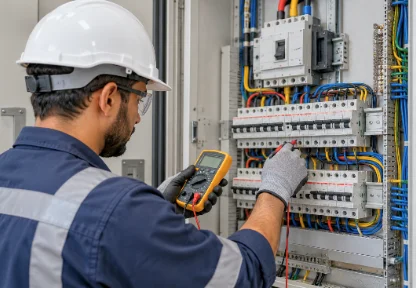
Electrical panels can contain dangerous live components. Therefore, internal inspections, electrical testing, and repairs must be carried out by appropriately qualified personnel using suitable safety procedures.
Electrical Maintenance Services in Dubai
Electrical problems should not be ignored, particularly when you notice repeated breaker trips, burning smells, unusual heat, or visible damage.
If you manage a home, office, or commercial property, arranging a professional assessment can help identify the cause and establish what work is required.
OB TECH provides electrical installation, maintenance, and repair services within its technical contracting activities. Contact the team to confirm whether your specific electrical maintenance requirement falls within its approved service scope.
Need electrical maintenance in Dubai? Contact OB TECH to discuss your property’s requirements and arrange an appropriate service assessment.