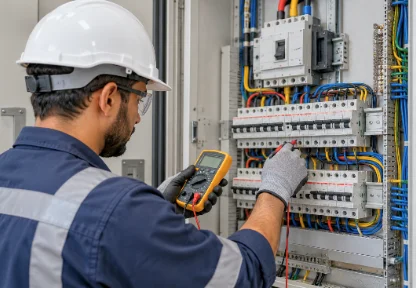
Network cabling Dubai is an important part of modern office infrastructure. Computers, printers, IP phones, access points, servers, and other connected devices rely on a stable network to communicate effectively.
However, network problems do not always mean that your internet provider or network equipment is at fault.
Sometimes, the issue starts with the physical cabling.
Old cables, poor connections, damaged wires, and unorganized network cabinets can make troubleshooting more difficult. Moreover, an office that has grown over time may have a network infrastructure that no longer matches its current requirements.
So, how can you tell when your office network needs attention?
Is Your Office Network Showing These Problems?
Instead of waiting for a complete network failure, look for smaller warning signs.
-
Frequent Connection Drops
Does your network disconnect unexpectedly?
Employees may lose access to shared folders, cloud applications, printers, or other network resources. If the problem happens repeatedly, the physical network infrastructure should form part of the investigation.
A technician can inspect the relevant connections and determine whether the problem relates to cabling, termination, network equipment, or another component.
-
Some Areas Have Better Connectivity Than Others
A common problem in larger offices is inconsistent network performance between different areas.
For example, one section of the office may have a stable connection while another experiences frequent interruptions or slower access.
This can happen for different reasons. Therefore, checking the network infrastructure can help identify whether cabling, network equipment, or coverage is contributing to the problem.
-
Your Network Cabinet Looks Difficult to Manage
Open your network cabinet and take a look.
If you see tangled cables, missing labels, loose connections, or cables running without a clear organization system, maintenance can become unnecessarily difficult.
A well-organized cabinet allows technicians to identify connections more easily.
It also makes future changes much simpler.
-
Your Office Keeps Adding More Devices
Your network needs can change as your business grows.
A new office may start with a small number of computers. Later, the business may add more employees, printers, IP phones, access points, servers, meeting-room equipment, and other connected devices.
At that point, the original cabling layout may no longer provide enough network points or flexibility.
Planning additional cabling before the office becomes overcrowded can make future expansion easier.
-
Your IT Team Spends Too Much Time Finding Cable Problems
Network troubleshooting becomes much harder when nobody knows where a cable goes.
Without proper labeling and documentation, technicians may need to trace individual cables manually.
This wastes time and can make relatively simple network changes more complicated.
A structured cabling system gives each connection a more organized path and makes future maintenance easier.
What Happens When Network Cabling Is Poorly Planned?
Poor network organization does more than make the cabinet look messy.
It can create practical problems for your business.
For example, technicians may spend more time identifying connections. Adding new devices can also become more difficult. In addition, an office expansion may require unnecessary rework if the original infrastructure was not planned for future requirements.
That is why network cabling should be considered part of the overall office infrastructure.
Planning Network Cabling for a New Office
If you are moving into a new office, this is the ideal time to plan your network infrastructure.
Before installation begins, consider:
- Number of workstations
- Network points required
- Wi-Fi access point locations
- Server and equipment locations
- Network cabinet position
- Meeting rooms
- Printers and shared devices
- Future expansion
- Cable routes and containment
Planning these requirements early can help create a cleaner and more accessible network infrastructure.
It can also reduce unnecessary modifications after the office becomes operational.
Upgrading Network Cabling in an Existing Office
Not every office needs a complete network replacement.
In some cases, the existing infrastructure may only require additional network points, better organization, cable replacement, or improved labeling.
A professional assessment can help determine what actually needs to change.
This approach can be more practical than replacing everything without first identifying the problem.
What Network Cabling Can Include
Depending on the project, network infrastructure may include:
Structured Cabling
Organized cabling infrastructure connecting different areas and devices.
Cat6 / Cat6A Cabling
Copper network cabling suitable for various office network requirements.
Fiber Optic Cabling
A suitable option for certain backbone and longer-distance connections.
Network Racks and Cabinets
Centralized locations for network equipment and cable termination.
Patch Panels
Organized termination points that make connections easier to manage.
Cable Management and Labeling
Helps technicians identify and maintain individual connections.
Testing and Documentation
Helps verify installed connections and provide useful information for future maintenance.
Network Cabling for Offices, Commercial Buildings and Fit-Outs
Network infrastructure requirements vary from one property to another.
A small office may need only a limited number of network points. In contrast, a larger commercial building may require structured cabling across multiple areas or floors.
For this reason, the installation should start with an understanding of the building layout and the systems that need connectivity.
At OB TECH, network infrastructure can be considered alongside other technical works during commercial projects, helping businesses coordinate their network requirements with the wider building infrastructure.
When Should You Consider a Network Cabling Upgrade?
You may want to arrange an assessment if:
- Your network frequently disconnects.
- Employees experience inconsistent connectivity.
- Your network cabinet is difficult to manage.
- You keep adding network devices.
- Your office is expanding.
- Your existing cables are damaged.
- Network troubleshooting takes too long.
- You are moving to a new office.
- You are upgrading your network equipment.
You may not need to replace everything.
Instead, an assessment can help determine which parts of the infrastructure require improvement.
Choosing the Right Network Cabling Solution
The right cabling solution depends on the requirements of the project.
Before installation, consider the building layout, number of devices, cable distances, network equipment, future expansion, and required network performance.
A properly planned installation should also leave room for future changes.
After all, your office network should support your business as it grows rather than become a limitation.
Professional Network Cabling in Dubai
A reliable network starts with reliable infrastructure.
If your office experiences recurring connectivity problems, has poorly organized cabling, or needs additional network points, a professional assessment can help identify the appropriate solution.
OB TECH provides network infrastructure and technical solutions for commercial requirements, including network cabling and related infrastructure works.
Planning a new office or upgrading your existing network? Contact OB TECH for network cabling services in Dubai.